
The Respace Scenarios are stories of imagined futures in which the scope for and nature of global collaboration for peace is shaped by various factors . They speak about what could happen in the future. The illustrations I created for this project are inspired by texts developed in 2024 by a diverse group of individuals from civil society across the globe.
Client: Conducive Space for Peace

Walls
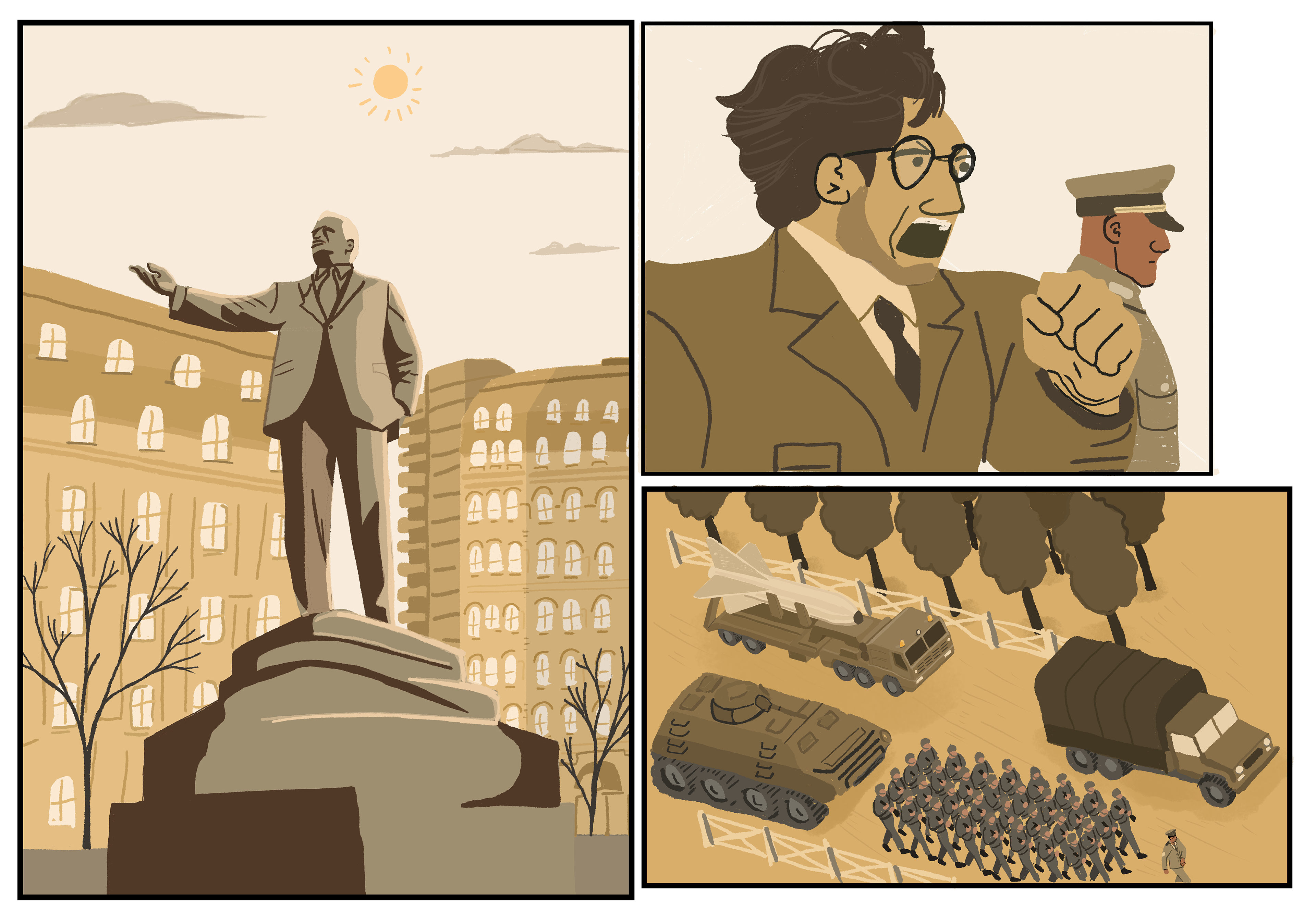
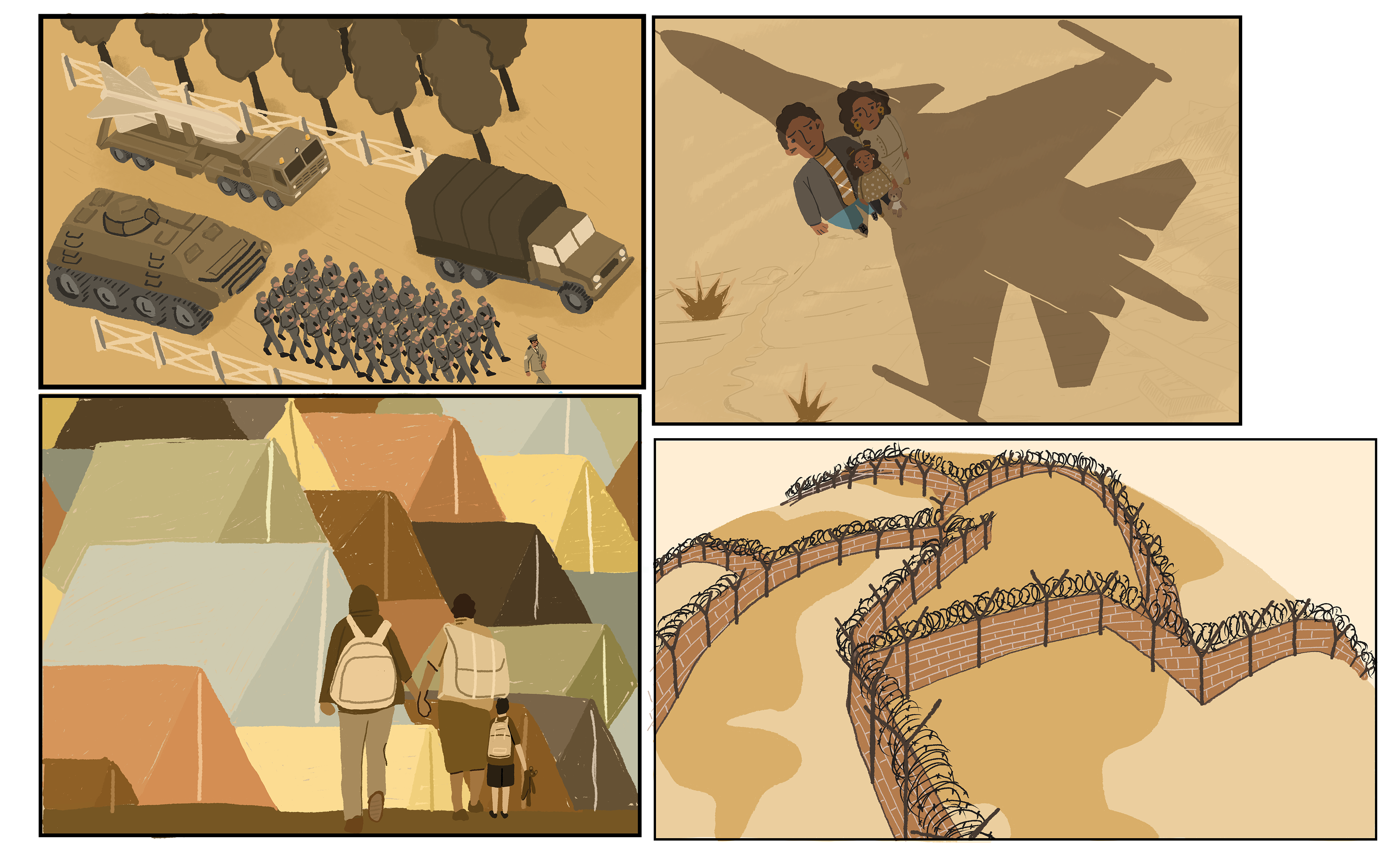

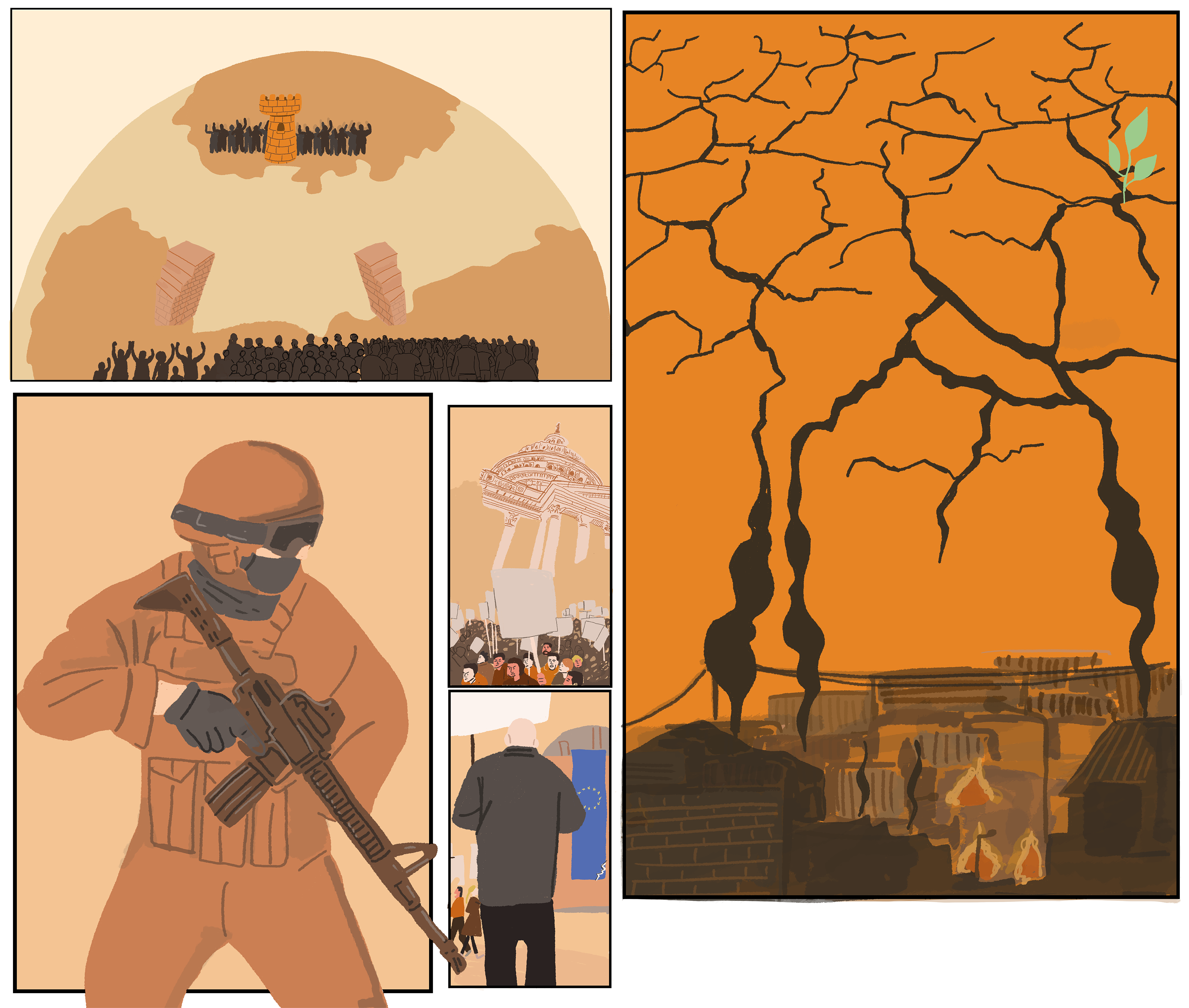
In the world of Walls, nation states prioritise narrow domestic interests, retreating from broad international collaboration and increasing polarisation. They invest heavily in security and militarisation, addressing climate change and health crises within their borders rather than seeking global solutions. As resources and political support for multilateralism dwindle, states mostly use the system for power-based negotiations or unilateral actions. Military tensions dominate global headlines and national security strategies, while resource extraction from resource rich countries intensifies. Escalating wars lead to a multipolar and fragmented world, where strong authoritarian states control spheres of influence through military, economic and digital sabotage or warfare, and seek to deter others from interfering. Local civil society groups are subject to strict regulations, struggling to survive in this heavily securitised environment.
Maze
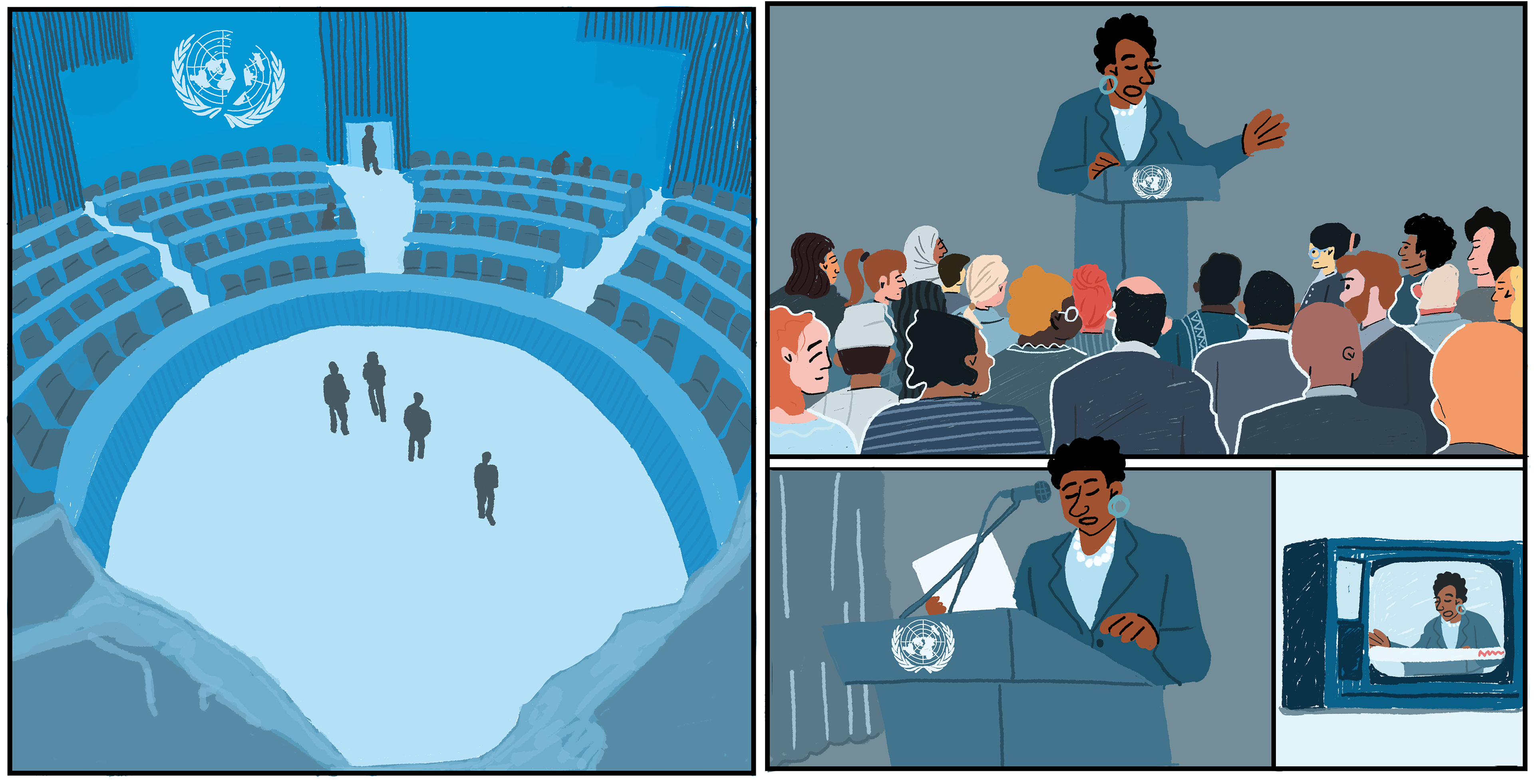
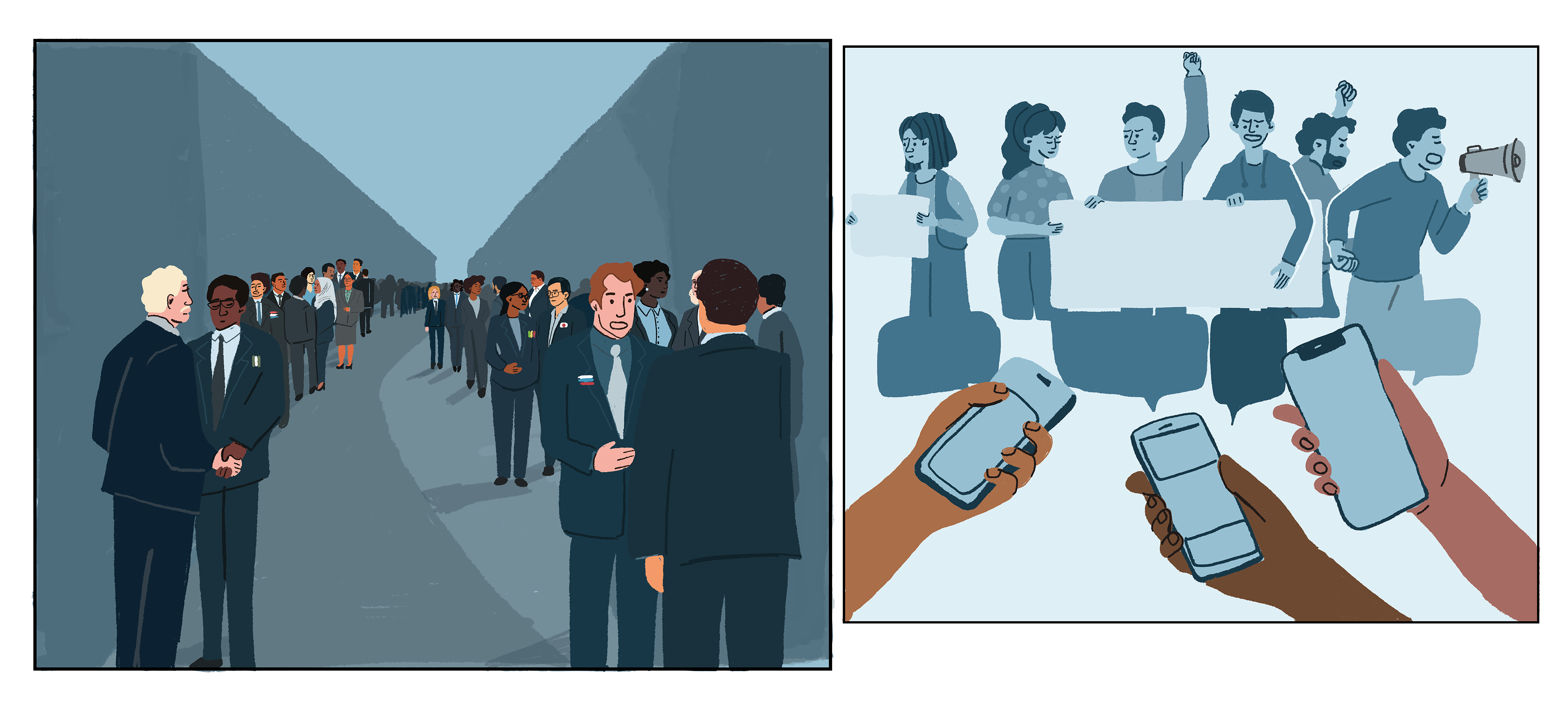
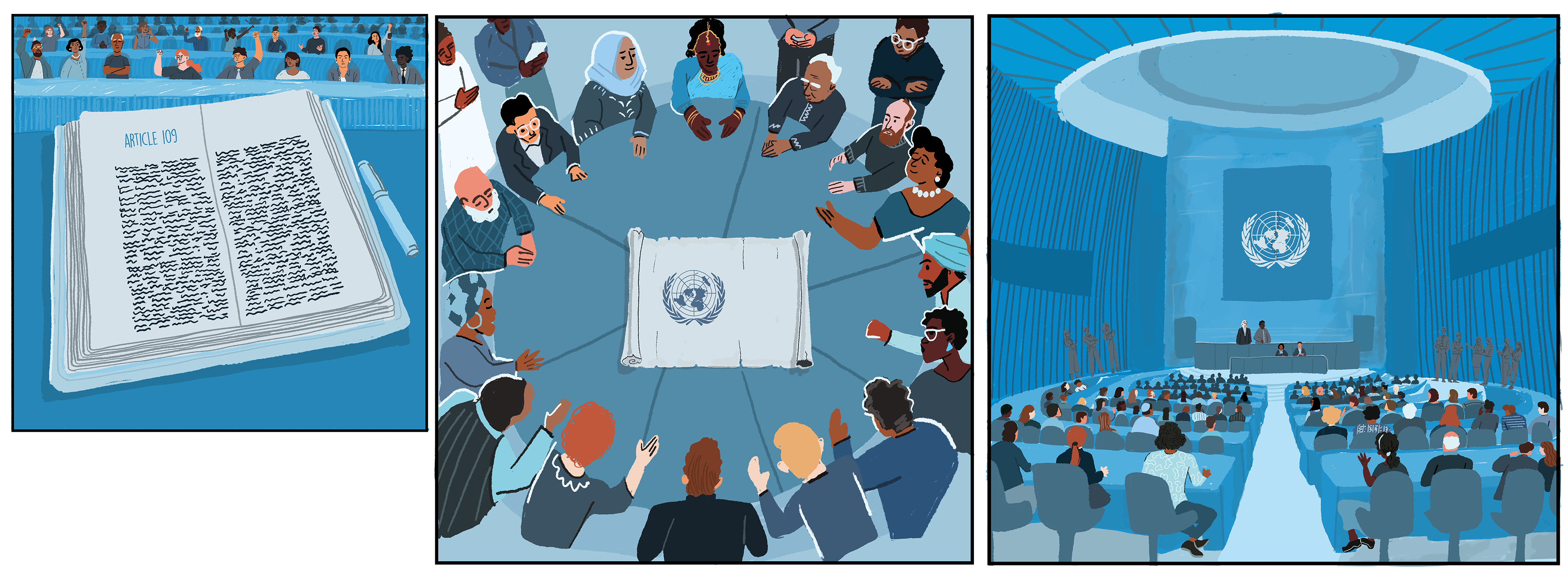
In the world of Maze, states come to once again appreciate international institutions as viable avenues to wield influence and gain access to resources, given multiple interconnected crises and increased public pressure. They start reinvesting in international collaboration as it adapts to diverse interests and contemporary geopolitical realities. Genuine efforts to reform the United Nations (UN) system ensue to enhance democratic governance and regional representation, aided by shifts in international affairs and the domestic politics of prominent member states. Reform efforts are, however, subject to many constraints and inertia in the system. They are also affected by the reluctance of traditionally powerful states to relinquish power. Nonetheless, reforms lead the UN to gain some new momentum, relevance and legitimacy. States and governments remain dominant in global governance, but greater inclusion of civil society and more support for locally led efforts softens hard geopolitics in multilateralism.
Towers
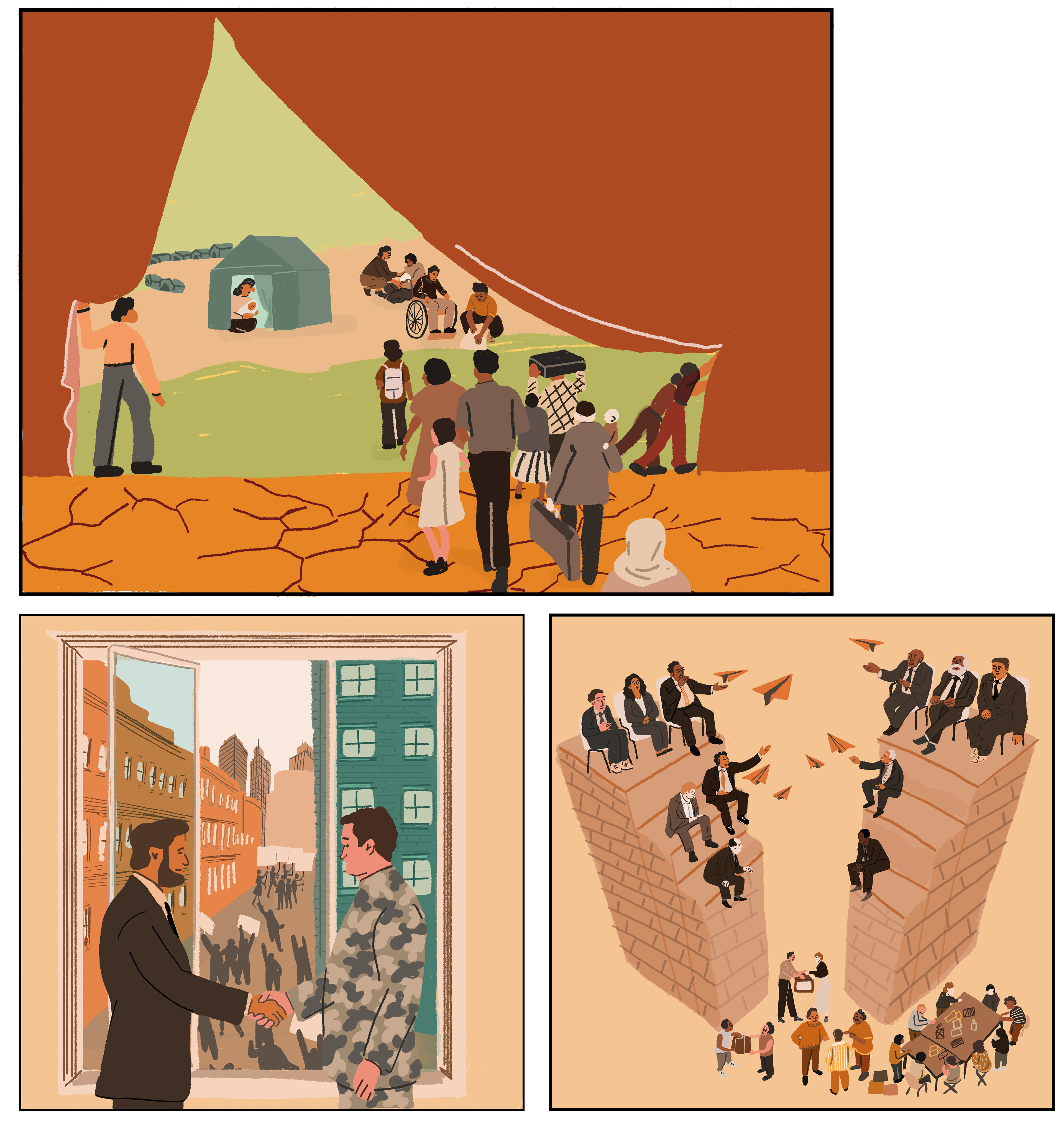
In the world of Towers, the decline of liberal internationalism and Western dominance drives governments and civil society to turn to their respective regions in search of identity, partnership and support. This leads to increasingly assertive (sub)regional blocs that gain in strength and relevance. Faced with an intensifying climate emergency, governments, civil society and communities seek to address urgent challenges through effective intra-regional cooperation. This leads to progress on climate change, trade and sometimes conflict management. The extent, nature and manifestation of regionalism varies across regions, including the space afforded to civil society. Powerful regional actors tend to dominate the agenda and inter-regional competition increases, while global governance forums have lost legitimacy in resolving tensions. Robust international civil society networks are also absent, given a changed development landscape.
Bridges
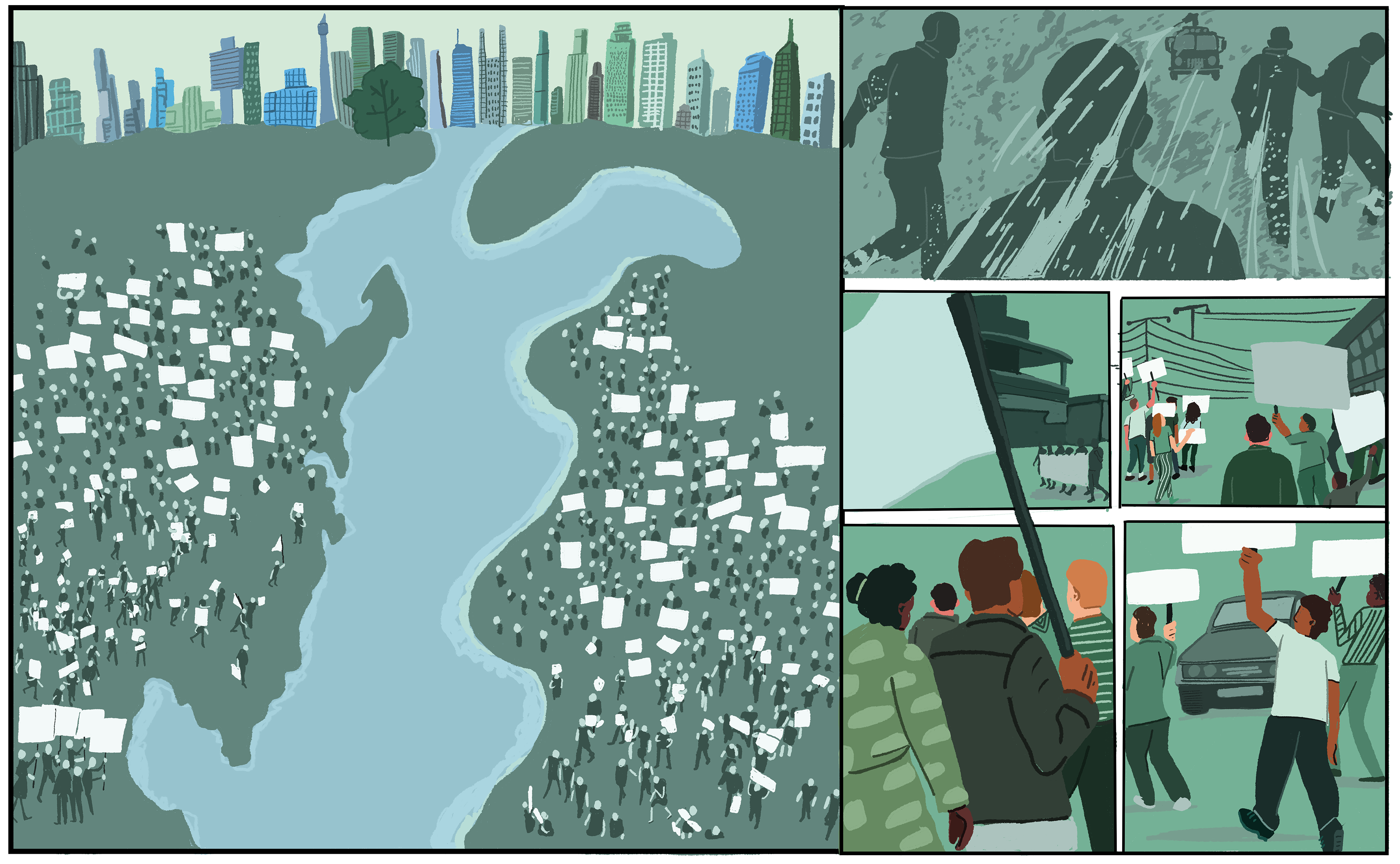
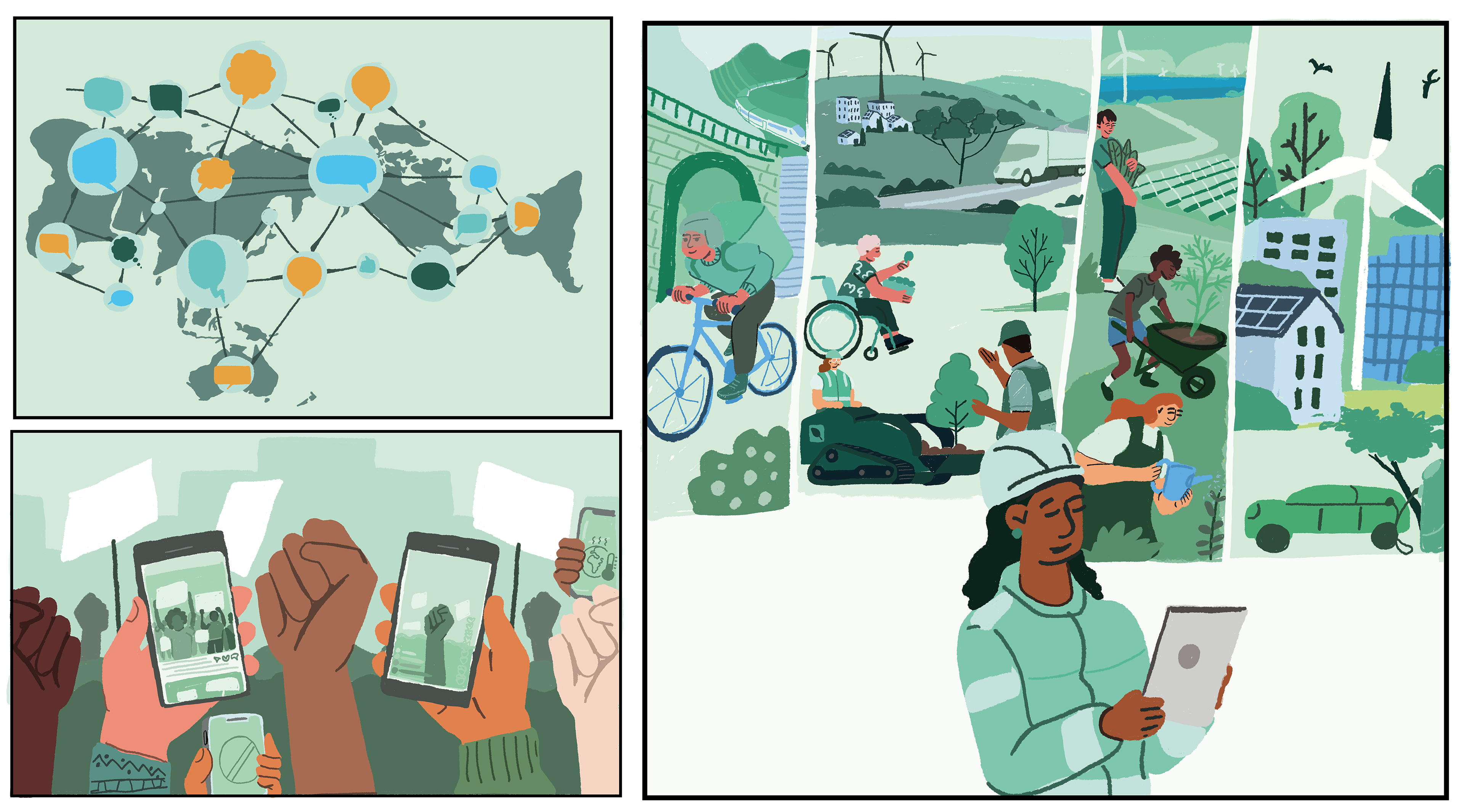
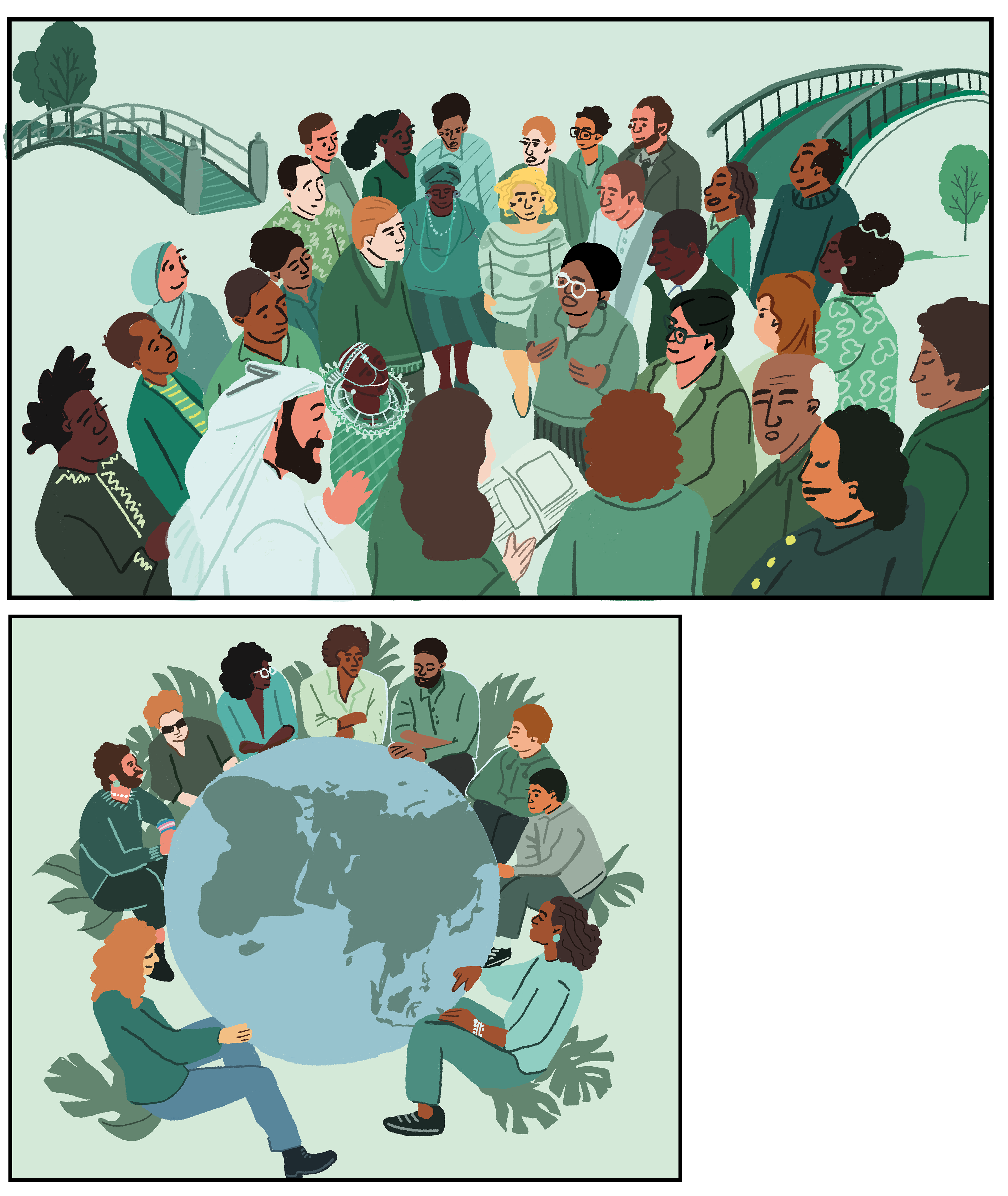
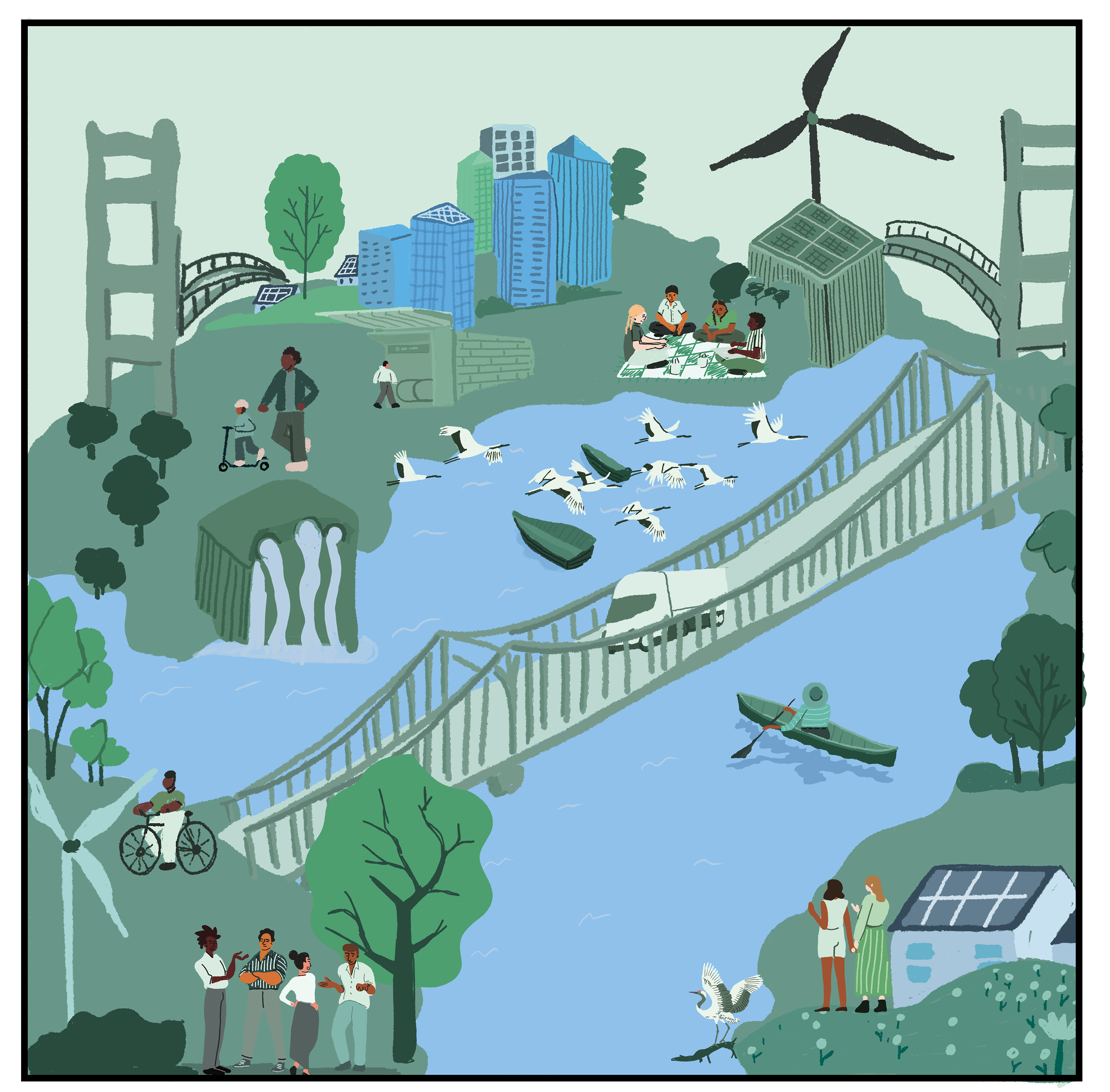
In the world of Bridges, civic actors and social movements across different causes and localities recognise their interdependence and create stronger, well-resourced networks and infrastructures to shape global and local developments. State power is balanced by bottom–up democratic institutions and an increasingly autonomous civil society. Global collaborative action for sustainable solutions is driven by community-led and publicly owned media platforms, solidarity networks, and consideration of diverse and indigenous knowledges and worldviews. Narratives of change emphasise holistic perspectives, aiming to inform and foster shared identities across differences. The spread of a deeper appreciation of the interconnectedness between people, nature and governance systems— including land, sea and the environment—impacts domestic and global politics and leads to a paradigm shift in the global economy. While new collaborations form across sectors and interest groups, recognising a shared humanity, new foundations are added to a global architecture that seeks to create lasting peace.
Thank you for watching!